Curling up and Wiggling down
Resmaa Menakem speaks of two kinds of pain. Clean and dirty pain. He writes that clean pain is the, “pain you experience when you have no idea what to do; when you’re scared or worried about what might happen; and when you step forward into the unknown anyway, with honesty and vulnerability.”
I needed Menakem to help me name the discomfort of this part of my life. It was as if I were a patient of Dr. Menakem, showing up in his office, describing the symptoms of some new, previously unfelt ailment, but unable to register it on the “label your pain from 1-10” scale.
But there is an undeniable ache when you throw yourself so completely into the unknown. I’m now eight months removed from being the pastor of a Quaker community. Seven months a graduate student. Seven months as a social work intern in a 1,800-student high school. Eight months income-less.
Menakem continues, “ Clean pain hurts like hell. But it enables our bodies to grow through our difficulties, develop nuanced skills, and mend our trauma. In this process, the body metabolizes clean pain. The body can then settle; more room for growth is created in its nervous system; and the self becomes freer and more capable, because it now has access to energy that was previously protected, bound, and constricted. When this happens, people’s lives often imporve in other ways as well.” *
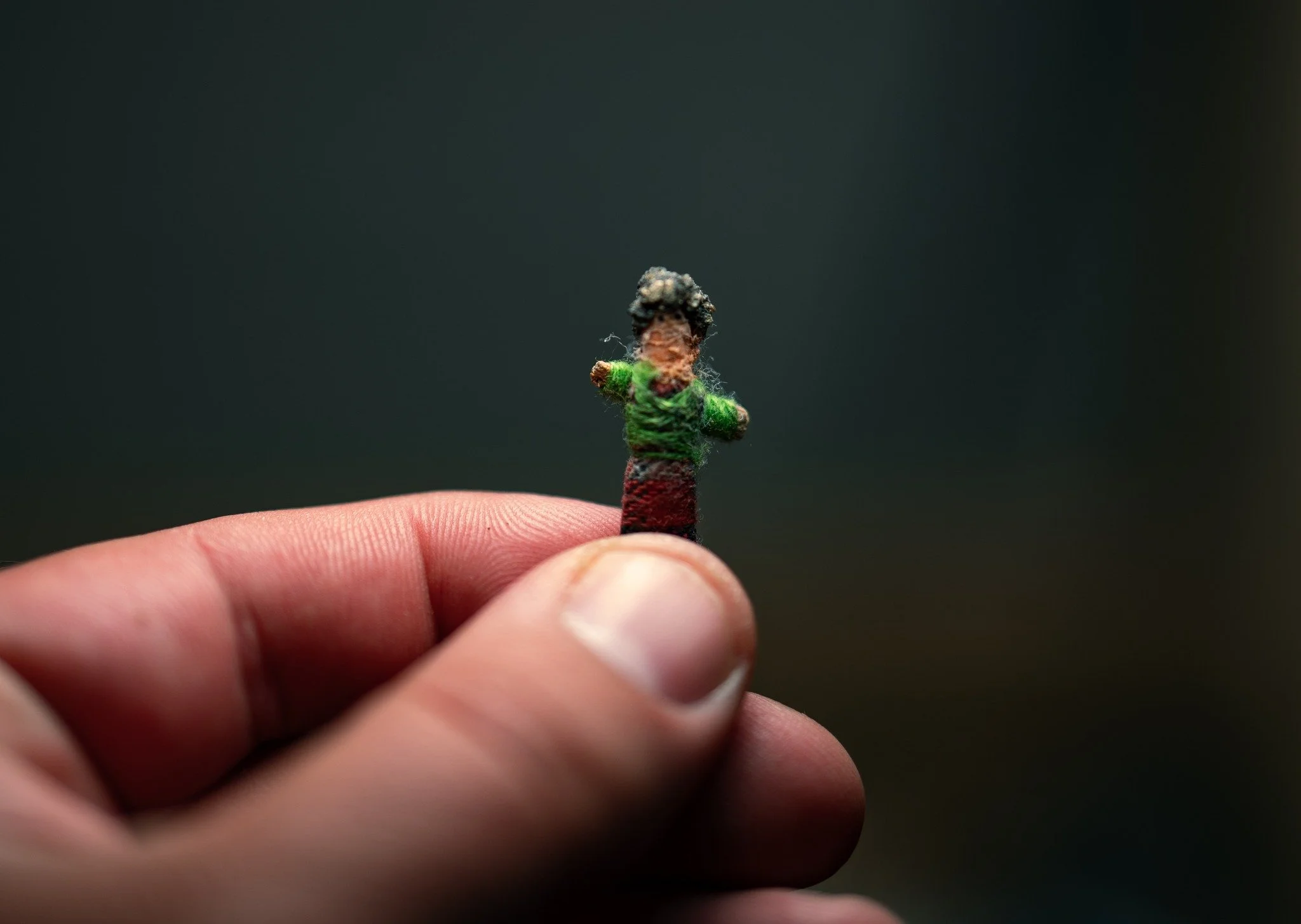
I’m in that “settling” that Menakem speaks of. I’ve wanted to be quiet for the last few months. I’ve felt myself getting much smaller, more hidden. Like curling up, like wiggling down into something that will take a long time.
I’m in some of the most challenging parts of learning because I’m learning about myself. I am learning that my shoulders and upper back have almost always been in pain. I’ve stuffed quite a bit in between those muscle fibers. My abdomen, too, has the hernia and appendectomy scars as proof.
I’m learning why and with what I stuffed the space between already tense muscles. The task now is to loosen more, to prepare for expansion. Growth does not feel linear right now; it feels orbital.
*Menakem, Resmaa. My Grandmother’s Hands: Racialized Trauma and the Pathway to Mending Our Hearts and Bodies. 2017, Central Recovery Press. P. 19-20